Trenchless Sewer Plumbing in Los Angeles, CA

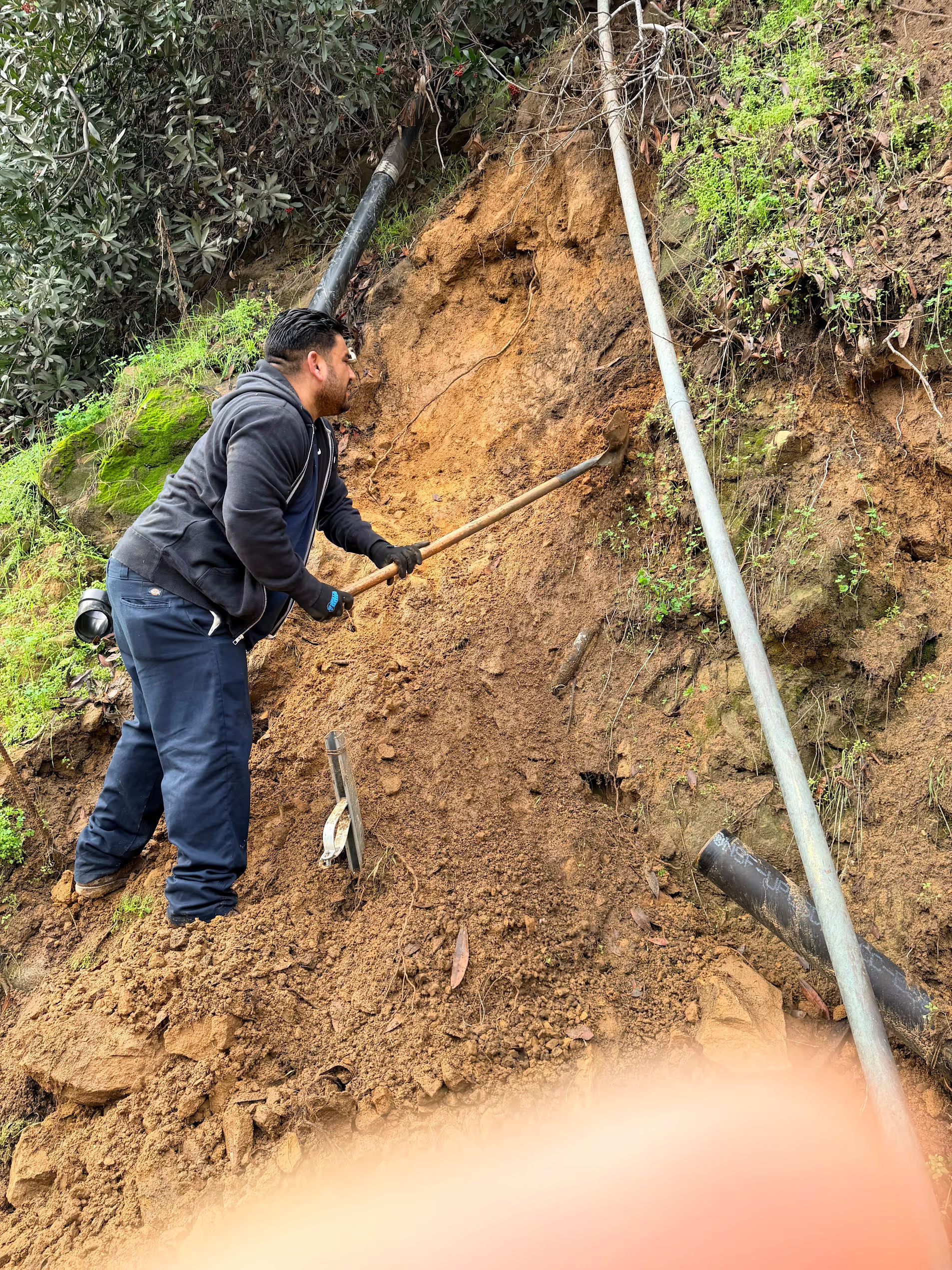
A sewer line problem usually starts quietly. Maybe the kitchen sink drains more slowly than normal. Maybe there’s a smell outside near the cleanout that wasn’t there before. In older Los Angeles neighborhoods, these issues are common, especially in properties with aging sewer pipes or large tree roots running beneath the yard.
The problem is that sewer damage rarely fixes itself. And for many homeowners, the thought of a major sewer repair brings another concern: torn-up landscaping, broken concrete, and weeks of disruption.
At GR Plumbing, we provide plumbing services in Los Angeles, CA, for homeowners, apartment properties, commercial buildings, and public facilities looking for a less invasive way to repair underground sewer lines. In many cases, trenchless methods allow us to repair or replace damaged pipes without digging a long trench across the property.
That means less disruption, less mess, and a more practical solution for busy Los Angeles properties.
What Is Trenchless Sewer Plumbing?
Trenchless sewer plumbing is a repair method that reduces the amount of excavation needed to access underground sewer lines.
Traditional sewer replacement often involves digging through driveways, landscaping, sidewalks, patios, or parking areas to expose the entire pipe. Trenchless methods work differently. Using specialized equipment and inspection tools, we can often repair or replace the damaged line through smaller access points instead.
Depending on the condition of the pipe, trenchless sewer work may include:
- Sewer camera inspections
- Pipe lining
- Pipe bursting
- Hydro jetting
- Sewer line replacement
- Root removal and drain cleaning
Every sewer system is different. Some lines can be repaired. Others need replacement. Our job is to inspect the problem properly and recommend the option that makes the most sense for the condition of the pipe and the property itself.
Why Sewer Problems Are Common in Los Angeles
Los Angeles has a mix of old and new plumbing infrastructure. In many neighborhoods, homes were built decades ago using older sewer materials that naturally wear down over time.
Tree roots are another major issue throughout the area. Mature trees found in established neighborhoods often stretch roots toward underground moisture sources, including sewer lines. Once roots enter small cracks or joints in the pipe, they continue growing and eventually restrict flow or damage the line further.
We also see sewer problems in properties with:
- Older clay sewer pipes
- Aging cast iron plumbing
- Heavy grease buildup
- Shifting soil
- Previous patch repairs
- Multi-unit plumbing systems
- Limited property access
Because many Los Angeles homes sit close together, traditional excavation can quickly become disruptive. That’s one reason trenchless sewer repair has become such a popular option.
Signs You May Need Sewer Line Repair
Sewer line issues often build gradually before becoming urgent.
Some of the most common warning signs include:
- Multiple drains are backing up at once
- Gurgling sounds from toilets or drains
- Frequent clogs
- Sewage odors indoors or outside
- Slow drains throughout the property
- Wet areas in the yard
- Water near the sewer cleanout
- Recurring root intrusion
If the same plumbing problems keep returning, there may be a deeper issue inside the sewer line itself.
A sewer camera inspection can help identify exactly what’s happening underground before the problem gets worse.
Sewer Camera Inspections Help Avoid Guesswork
Before recommending any trenchless sewer repair, we start by inspecting the line with a sewer camera.
This allows us to see the inside of the pipe and identify issues such as:
- Cracks
- Root intrusion
- Corrosion
- Pipe separation
- Grease buildup
- Offsets in the line
- Collapsed sections
Without a proper inspection, sewer repairs often turn into guesswork. A camera inspection helps us determine whether the line can be cleaned, lined, repaired, or replaced.
It also gives property owners a clearer understanding of the problem before making a repair decision.
We believe sewer repairs should be explained clearly — without overly technical language or pressure.
Pipe Lining for Older Sewer Pipes
Pipe lining is one of the most common trenchless sewer repair methods used on damaged sewer lines that still have enough structural integrity to be restored.
Instead of removing the existing pipe completely, a liner is inserted inside the damaged line. Once cured, the liner creates a new interior surface that helps restore flow and seal certain types of damage.
Pipe lining may work well for:
- Minor cracks
- Root intrusion damage
- Aging sewer pipes
- Small joint separations
- Pipes beneath landscaping or concrete
For many Los Angeles properties, pipe lining can help avoid unnecessary excavation around patios, driveways, walkways, and outdoor spaces.
When Sewer Line Replacement Makes More Sense
Not every sewer line can be repaired with lining.
If the pipe has severe structural damage, collapsed sections, or long-term deterioration, replacement may be the better long-term solution.
In some cases, trenchless pipe bursting allows us to replace the sewer line without fully excavating the property. During this process, the damaged pipe is broken apart while a new pipe is pulled into place.
The best repair method depends on several factors, including:
- Pipe condition
- Pipe material
- Access to the line
- Depth of the sewer pipe
- Severity of damage
That’s why inspection always comes first. We focus on recommending the repair that actually fits the situation — not simply the most expensive option.
Hydro Jetting for Sewer Line Cleaning
Some sewer problems are caused more by buildup than by structural damage.
Grease, sludge, debris, and tree roots can all reduce flow inside the sewer line over time. Hydro jetting uses high-pressure water to clear the inside of the pipe and remove stubborn buildup.
Hydro jetting is commonly used for:
- Recurring sewer backups
- Heavy grease buildup
- Root removal
- Preventive maintenance
- Preparing pipes for lining
For commercial kitchens, apartment buildings, and older residential properties, regular sewer cleaning can help reduce the risk of future backups.
Why Property Owners Choose Trenchless Sewer Repair
For many people, the biggest advantage of trenchless sewer repair is avoiding unnecessary property damage.
Excavating a sewer line through a driveway, landscaped yard, or outdoor living area can quickly become expensive and disruptive beyond the plumbing repair itself.
Trenchless methods can help reduce damage to:
- Landscaping
- Concrete
- Walkways
- Parking areas
- Outdoor spaces
- Tenant access points
This is especially helpful in Los Angeles neighborhoods where space is limited, and properties are tightly packed together.
Many homeowners are surprised to learn that sewer repair does not always mean tearing apart the entire yard.
Local Experience Matters
Sewer systems in Los Angeles can vary significantly from one neighborhood to another. Older homes may still have aging clay pipes, while renovated properties sometimes contain mixed plumbing materials from decades of repairs and additions.
At GR Plumbing, we’ve been serving the Los Angeles area since 1990. Over the years, we’ve worked on residential homes, commercial properties, apartment buildings, and public projects throughout the city.
Our approach stays simple:
- Inspect the issue carefully
- Explain the findings clearly
- Recommend practical solutions
- Focus on long-term reliability
We know sewer problems are stressful enough already. The process should not feel confusing on top of it.
Frequently Asked Questions
What is trenchless sewer plumbing, and how does it work?
Trenchless sewer plumbing is a modern repair method that allows damaged sewer lines to be repaired or replaced with minimal digging. Instead of excavating the entire yard or driveway, plumbers use specialized equipment and small access points to inspect, clean, line, or replace underground pipes. This method helps reduce property damage, disruption, and repair time.
How do I know if I need trenchless sewer repair?
Common signs of sewer line problems include slow drains, recurring clogs, sewage odors, gurgling toilets, wet spots in the yard, or multiple drains backing up at once. In Los Angeles, tree root intrusion and aging pipes are common causes of sewer damage. A sewer camera inspection can help identify the exact issue before repairs begin.
Why do homeowners choose trenchless sewer repair over traditional methods?
Many homeowners choose trenchless sewer repair because it helps avoid major excavation that can damage landscaping, patios, driveways, sidewalks, and parking areas. Trenchless methods are often faster, less invasive, and more practical for tightly packed Los Angeles properties where preserving outdoor spaces is important.
Book an Appointment
Schedule Trenchless Sewer Plumbing in Los Angeles, CA Today!
If you’re dealing with recurring drain issues, sewer backups, root intrusion, or signs of underground pipe damage, GR Plumbing is ready to help.We provide trenchless sewer plumbing in Los Angeles, CA, with practical repair solutions designed to reduce disruption while restoring the reliability of your sewer system.
Call GR Plumbing at 323-899-4216 or contact our team online to schedule a sewer inspection or request a free estimate today.