Signs of Hidden Water Leaks in Los Angeles Homes

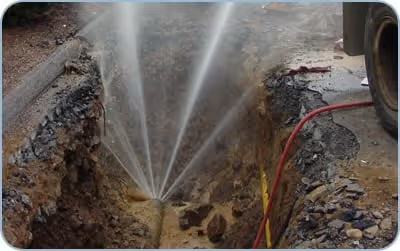
A hidden water leak is one of those problems that feels “small” right up until it isn’t—sky-high water bills, damaged drywall, warped floors, and mold growth can all happen quietly behind the scenes. In Los Angeles, CA, where many homes have older plumbing and tight access points, leaks often stay out of sight until the damage is already expensive. (Several top-ranking leak and water-damage resources emphasize that hidden leaks frequently show up first as subtle symptoms—like odors, stains, and unusual bills—before you ever see water.)
The fastest way to spot a hidden leak
If you’re looking for the clearest signs of a hidden water leak, watch for:
- Unexplained spikes in your water bill
- Musty odors or visible mold/mildew
- Water stains, bubbling paint, or peeling drywall
- Warped floors or damp carpet
- Sounds of running water when fixtures are off
- Low water pressure or frequent clogs/backups
If any of these are happening, it’s worth taking action quickly—hidden leaks don’t usually “fix themselves,” and water damage tends to spread.
Why hidden leaks are especially costly in Los Angeles, CA
Hidden leaks aren’t just about wasted water. They can:
- Damage structural materials (drywall, framing, subfloor)
- Trigger mold and indoor air quality concerns
- Create electrical hazards if moisture reaches the wiring
- Lead to bigger repairs if a small leak becomes a burst or slab issue
In competitor content ranking for leak-related searches, the common theme is urgency: early detection is the difference between a targeted repair and a major restoration project.
Unexplained high water bill
If your usage habits haven’t changed but your bill has, a hidden leak is one of the most common causes cited by leak-focused guides.
What this can look like
- A monthly bill that jumps noticeably and stays high
- “Normal” daily routines, but water usage keeps climbing
Quick homeowner check (non-invasive)
- Pick a time when no water will be used (no laundry, dishwasher, showers).
- Check the water meter and confirm it’s not moving.
- Wait 15–30 minutes and re-check. If it moves, you may leak.
Water stains, bubbling paint, or peeling drywall
Stains and surface changes are often the first visual clue—especially around ceilings, corners, baseboards, or near bathrooms and kitchens. Water damage and restoration resources commonly list stains, bubbling, and peeling finishes as major warning signs.
Examples we see in Los Angeles homes
- Yellow/brown rings on ceilings under bathrooms
- Paint that bubbles or blisters near a shower wall
- Baseboards swelling or separating from the wall
Musty odors, mold, or mildew
That “damp” smell that won’t go away—especially in a bathroom, laundry area, hallway closet, or near a cabinet—is frequently highlighted as a hidden leak indicator. Mold and mildew can appear even when the leak isn’t visible, because moisture can build up behind walls or under flooring.
Where odors often show up
- Under sinks (kitchen/bath)
- Around toilets (wax ring or supply line issues)
- Behind washing machines or water heaters
- Inside cabinets, where small leaks stay unnoticed
Warped floors, loose tiles, or damp carpet
Flooring reacts quickly to moisture. Competitor guides frequently point to warped materials and soft spots as “quiet” symptoms of water intrusion.
Signs to watch for
- Wood flooring that cups or buckles
- Laminate edges swelling
- Tiles that feel loose or “hollow.”
- Carpet that feels damp without a spill
Low water pressure or inconsistent flow
A leak can reduce pressure by letting water escape before it reaches your fixtures. Many “warning signs” lists include pressure changes because they often show up before visible damage appears.
What homeowners report
- One bathroom is suddenly weak, others are normal (localized leak)
- Whole-house pressure drop (possible main line issue)
Cracks in walls, ceiling separation, or foundation-related symptoms
Not every crack means a leak—but when cracks show up alongside warm spots, damp flooring, or unexplained water usage, it can suggest a leak under or near the foundation. General leak guides and “detect leaks” resources commonly include slab/foundation-adjacent symptoms because leaks under floors can migrate and affect materials above.
Don’t ignore combinations like:
- New cracks + higher water bill
- Warm/damp area on slab + musty odor
- Persistent wet spot in the same location
“We have recurring clogs” can be a leak clue
Some clogs and slow drains contribute to leaks (or reveal them), especially if backup pressure stresses older connections. Our own site notes that drain issues can cause leaks that lead to repairs.
What to do immediately if you suspect a hidden leak
When homeowners search this topic, the “People Also Ask” pattern tends to revolve around what to check first and when to call a pro. Here’s the practical approach:
- Stop using water where possible (avoid running appliances, long showers).
- Check visible supply lines under sinks, behind toilets, and at the water heater.
- Look for active signs: dampness, stains, odors, and warping.
- Document what you see (photos help if repairs are needed).
- Call for professional leak detection if symptoms persist or you can’t locate the source.
FAQ: Signs of Hidden Water Leaks in Los Angeles, CA
How long can a hidden leak go unnoticed?
Some leaks stay hidden for weeks or months, especially slow drips behind walls or under floors. That’s why changes in odor, stains, and bills are such important early clues.
What areas of the home are most likely to have hidden leaks?
Bathrooms, kitchens, laundry rooms, and any wall shared with plumbing lines are common. Water heaters and older shutoff valves are also frequent sources.
Will a hidden leak always show up as a stain?
Not always. Some leaks travel along framing or under flooring and appear far from the source—or not at all until materials warp or odors develop.
Book an Appointment
When it’s time to call GR Plumbing in Los Angeles, CA
If you’re seeing any combination of rising bills, stains, musty smells, warped flooring, or running-water sounds, it’s smart to get answers before the damage spreads. We provide professional leak detection and plumbing solutions tailored to Los Angeles homes—so you can stop guessing and start protecting your property.
Call GR Plumbing at 323-899-4216 or contact us online:
https://www.gr-plumbing.com/contact-us