Low Water Pressure in Los Angeles Homes: Causes and Solutions

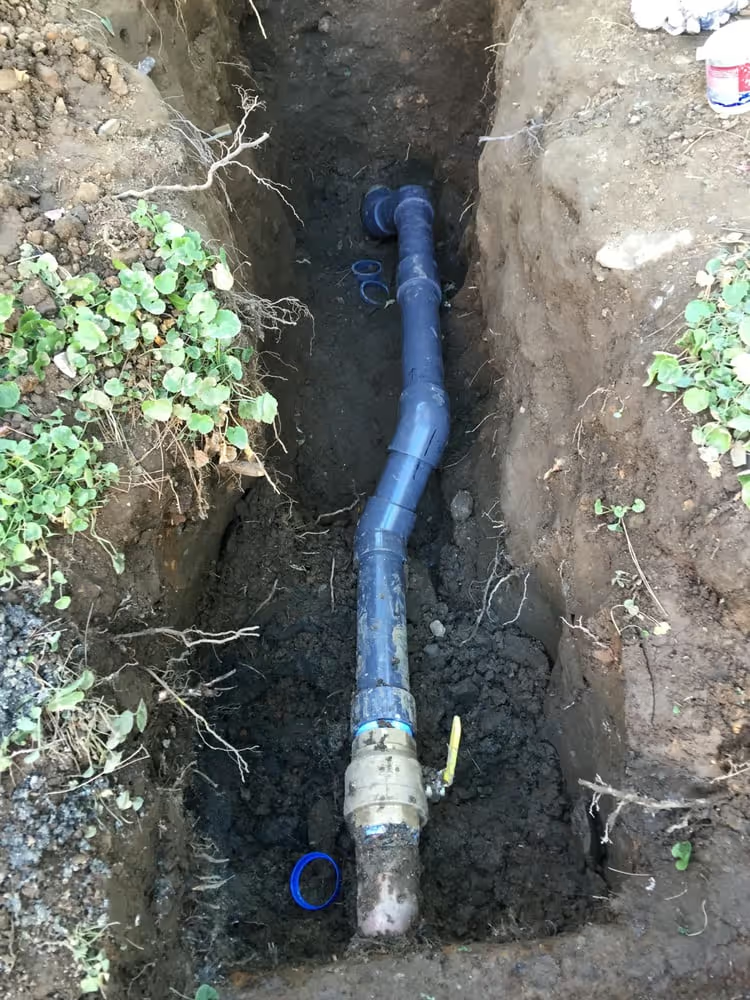
If your shower suddenly feels like a trickle, the dishwasher takes forever to fill, or every faucet drops to a weak stream whenever someone flushes a toilet—low water pressure can turn normal routines into daily frustrations. In Los Angeles, CA, this problem is especially common in older neighborhoods with aging pipes, mineral-heavy water, and older pressure-regulation setups.
What causes low water pressure in Los Angeles homes—and what should you do?
Low water pressure in Los Angeles homes is usually caused by mineral buildup (hard water), corroded/undersized pipes, hidden leaks, partially closed valves, or a failing pressure regulator (PRV). Start by checking whether the issue is at one fixture or the whole house, confirm your main shutoff valve is fully open, and clean faucet aerators/showerheads. If pressure is still low—or you suspect a leak, corroded lines, or regulator failure—schedule a professional diagnosis to prevent bigger damage.
Why is low water pressure so common in Los Angeles, CA
Los Angeles plumbing systems face a few repeat offenders:
- Older pipe materials (galvanized steel, aging copper) that restrict flow as they degrade
- Hard water mineral deposits that clog aerators, valves, and pipes over time
- Pressure regulation issues (a worn PRV/pressure regulator can drop pressure across the whole home)
- Hidden leaks that steal pressure and waste water before it reaches fixtures
- Neighborhood supply variables (city-side work, elevation, or main-line issues can change pressure)
At GR Plumbing, we see these patterns every week—and the right fix depends on where the pressure drops and why it’s happening.
Quick symptoms checklist (so you can describe it accurately)
Before you diagnose anything, confirm what’s actually happening:
- Pressure is low only at one faucet/shower
- Pressure is low in one area (e.g., only upstairs)
- Pressure is low everywhere (whole house)
- Pressure drops when multiple fixtures run
- Pressure is inconsistent (surges then fades)
Those clues often point directly to the source.
Most common causes of low water pressure in Los Angeles homes
Mineral buildup (hard water scale) is restricting flow
Los Angeles homes frequently deal with mineral buildup that gradually narrows the inside of aerators, showerheads, angle stops, and even supply piping. When scale accumulates, you’ll notice “okay” pressure at first—then a slow decline.
Common telltales:
- White crusty residue on faucets/showerheads
- Pressure is worse on hot water lines (often due to scale + age)
- Pressure improves briefly after cleaning, then returns to low
Safe first steps:
- Remove and clean faucet aerators and showerheads
- If scaling is suspected deeper in the system, a professional evaluation is the safest next step (forcing DIY chemical descaling into the wrong setup can create leaks or dislodge debris into valves).
Corroded or undersized pipes in older Los Angeles homes
Many older Los Angeles properties still have plumbing materials that corrode internally or were sized for older fixture demands. Internal corrosion reduces the effective diameter of the pipe, so pressure and volume drop, sometimes dramatically.
What this looks like:
- Pressure steadily worsens year over year
- Rust-colored water or debris at aerators
- Multiple fixtures affected (especially furthest from the main)
Common solution: targeted replacement or repiping when the restriction is widespread.
Hidden plumbing leaks reduce pressure.
A leak doesn’t just waste water—it can reduce pressure because water is escaping before it reaches fixtures. Even small leaks can cause noticeable pressure drops, and larger leaks can become an urgent risk to walls, floors, or foundations.
Signs you should never ignore:
- Unexplained increase in water bill
- Damp spots, musty odors, or mold
- You hear water running when everything is off
- Pressure drops suddenly (especially if it’s whole-house)
Best next step: Professional leak detection—fast, precise, and avoids unnecessary demolition.
Failing pressure regulator (PRV) or incorrect pressure setting
Many Los Angeles homes use a pressure regulator to keep water pressure within acceptable limits. When a PRV fails, pressure can drop throughout the entire property—or fluctuate unpredictably.
Common PRV symptoms:
- Whole-home low-pressure (hot and cold)
- Pressure that varies throughout the day
- Recent plumbing work or a history of high-pressure events
Because PRV diagnostics require measuring pressure correctly and verifying system behavior under load, this is a “call a pro” category.
Internal linking opportunity: Water Pressure Repair (diagnostics + regulator issues)
Partially closed shutoff valves (main valve or fixture valves)
This is one of the simplest causes—and it happens more than homeowners realize, especially after repairs or renovations.
What to check:
- Main shutoff valve: ensure it’s fully open
- Meter-side valve (if accessible): ensure it’s fully open
- Fixture angle stops under sinks/toilets: confirm they’re fully open
If the low pressure started immediately after plumbing work, this is a strong suspect.
Water line issues (main water line restrictions or damage)
If the restriction is between the street and your home, you may experience whole-house low pressure, slow filling, or inconsistent performance during peak hours. Mainline issues can also be tied to hidden leaks or aged line materials.
Internal linking opportunity: Water Line Plumbing
(available from our services menu)
City supply changes, neighborhood elevation, or infrastructure work
Sometimes your plumbing system is fine, but the pressure coming in has changed temporarily. Los Angeles neighborhoods can see variation due to municipal work, local distribution conditions, or elevation-related pressure differences in hillside areas.
How to tell:
- Neighbors have the same issue at the same time
- Pressure is worse at certain times of day
- The drop appeared suddenly with no changes inside your home
Even if the city supply plays a role, we still recommend verifying your home isn’t masking a leak or a failing regulator.
How to diagnose low water pressure safely (without overcomplicating it)
Step 1 — Is it one fixture or the whole house?
- One fixture: likely aerator/showerhead clog, fixture valve issue, or localized supply line problem
- Multiple fixtures / whole house: likely PRV, main valve, leak, corroded piping, or main water line issue
Step 2 — Check the “easy wins.”
- Clean aerators/showerheads
- Confirm valves are fully open.
- Note whether pressure drops only on hot (could suggest scale or water-heater-side restrictions)
Step 3 — Consider a pressure test (PSI)
Many guides recommend testing pressure using a gauge on an exterior hose bib. As a general benchmark, many homes aim for a comfortable range around 40–60 PSI (exact needs vary by property). If readings are far outside that range—or fluctuate heavily—professional diagnosis is recommended.
Solutions that actually restore pressure (and when each one applies)
Cleaning/replacing clogged aerators and showerheads
Best for: pressure loss at a single faucet/shower
Outcome: restores flow if the restriction is at the fixture
Repairing leaks and confirming no hidden damage
Best for: sudden drops, unexplained bills, moisture/mold signs
Outcome: restores pressure and prevents structural damage
Replacing or adjusting a pressure regulator (PRV)
Best for: whole-house low pressure, inconsistent pressure
Outcome: stabilizes pressure and protects pipes/fixtures
Clearing restrictions in piping (scale/rust buildup)
Best for: older homes, progressive decline, debris at aerators
Outcome: improves flow—sometimes dramatically—depending on pipe condition
Repiping when the system is beyond spot fixes
Best for: widespread corrosion/undersized piping, repeated pressure complaints
Outcome: long-term reliability and improved performance
Internal link idea: Copper Repiping (listed in our services menu)
When low pressure is a warning sign (not just an inconvenience)
Low water pressure can be the first visible symptom of a bigger problem—especially in Los Angeles homes with older infrastructure. Waiting can turn a manageable repair into water damage, mold remediation, or major repiping decisions under pressure (no pun intended).
If you’ve tried the basics and the problem persists, our team can pinpoint the cause quickly and recommend the most cost-effective fix.
Conclusion: Restore strong, reliable water pressure in your Los Angeles home
Low water pressure in Los Angeles, CA homes typically comes down to one of a handful of causes—mineral buildup, aging/corroded pipes, hidden leaks, a failing pressure regulator, or a main water line/supply issue. The fastest path to a real solution is matching the symptom pattern to the right diagnostic steps, then fixing the root cause (not just the symptom).
People Also Ask (PAA) — Low water pressure in Los Angeles, CA
Why is my water pressure low only in one faucet?
Usually, it’s a clogged aerator, debris in the fixture cartridge, or a partially closed fixture shutoff valve. If cleaning the aerator doesn’t help, the issue may be in the supply line or valve feeding that fixture.
Can a leak cause low water pressure?
Yes. Leaks can divert water away from fixtures and reduce pressure—especially if the leak is on a main supply line or affecting multiple branches. Leaks can also cause hidden damage, so it’s best to locate and repair them quickly.
What is a normal water pressure range for a home?
Many plumbing references cite a common target range around 40–60 PSI for residential comfort and function, though every property is different. If your pressure is consistently outside a practical range or changes drastically during use, it’s worth having a plumber test and diagnose the cause.
Book an Appointment
Call GR Plumbing for Water Pressure Repair in Los Angeles, CA
If you’re dealing with weak showers, slow-filling fixtures, or whole-house low pressure, contact GR Plumbing for professional testing and repair.
Phone: 323-899-4216
Schedule service: https://www.gr-plumbing.com/contact-us
Water Pressure Repair page: https://www.gr-plumbing.com/plumbing-services/water-pressure-repair
We’ll help you restore steady, comfortable water flow—and make sure the fix holds up long-term.